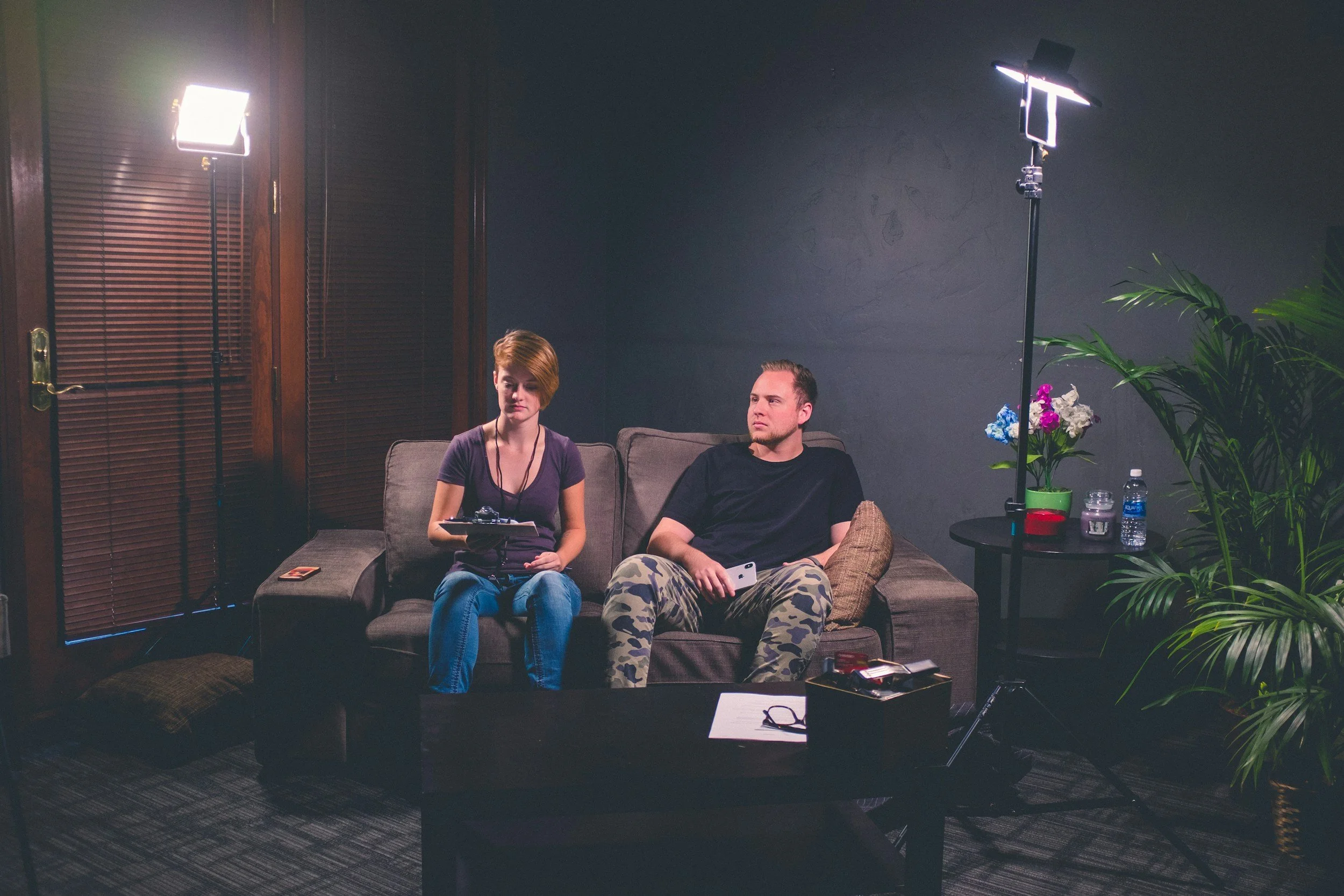
Audition Prep 101: From Cold Read To Confident Callback
Audition season is here. Stages are casting fall productions, and film and TV are lining up year-end pilots and indie shoots. If you want to walk into the room calm, connected, and ready to book, you need a clear plan. This guide gives you a practical blueprint you can follow from the first breakdown to the callback. You will learn how to navigate the pipeline, master cold reads and self-tapes, avoid common mistakes, and build a simple prep routine that boosts your odds.
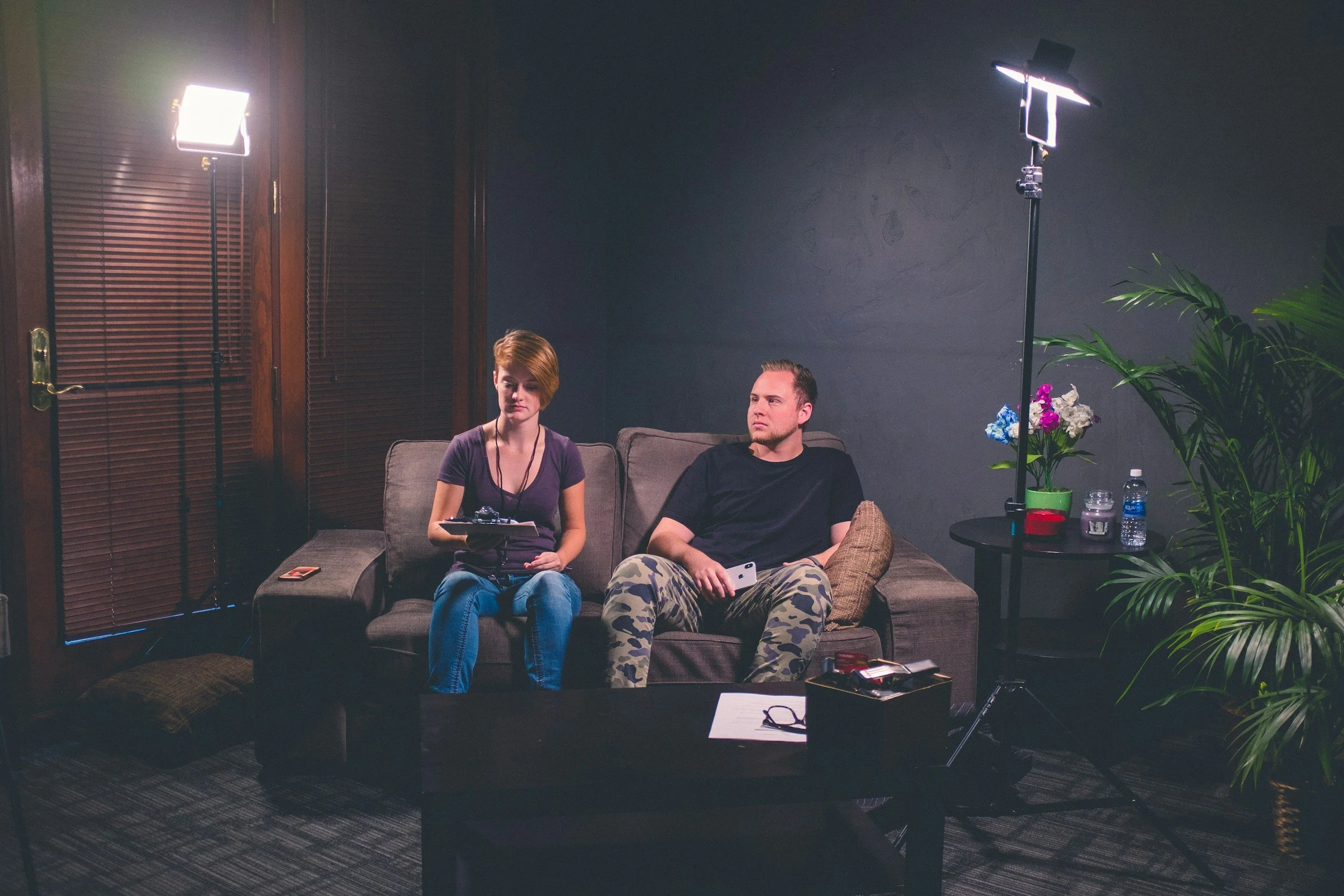
Have FUN and trust the process
You’ve got this. Every audition teaches us something new to get to the point of breaking through.
Understand the audition pipeline
Before you prep, zoom out and see the full journey. When you know what to expect, you can focus your energy where it matters.
Breakdowns: Casting posts a role description with age range, type, skills, and tone. You, your rep, or a submission service sends your materials.
Sides: Short scenes or monologues from the script. You will prepare one or more to perform on request.
Cold reads: You receive text in the room or shortly before. Your job is to make strong, playable choices quickly.
Self-tapes: You record your audition at home and send a link or file. Perfect for initial rounds and for out-of-market submissions.
Callbacks: A second pass with the team. Expect adjustments, chemistry reads, or additional sides.
How do most actors find auditions? Through agents or managers, casting platforms, theater newsletters, social media posts from companies, and community boards. Many also build relationships with local theaters and indie filmmakers. Consistent training and networking make those invitations more likely.
What is an audition class?
An audition class is focused training that simulates real casting scenarios. You practice slates, sides, cold reads, and self-tapes with expert feedback. You learn how to break down sides fast, how to adjust on a redirect, and how to present yourself clearly and professionally. One-on-one coaching takes this further by tailoring notes to your goals, type, and upcoming projects. You get targeted repetitions, recording tools to review your takes, and a feedback loop that sharpens your instincts.
If you want support that meets the moment, explore performance coaching with Inner Artist. You will drill cold reading scripts, refine your slate, and develop a repeatable self-tape workflow with a coach in your corner.
Cold reading strategies you can rely on
Cold reads reward preparation habits, not memorization. Use these steps when time is short.
Map the scene in 60 seconds: Who am I, what do I want, what is in my way, what just happened before this moment.
Find the spine: Choose a playable action for each beat. For example, persuade, protect, provoke, or conceal.
Mark turns: Underline shifts in power or emotion. Land those moments cleanly.
Prioritize connection over perfection: Look up often and listen. Your behavior matters more than every word.
Use the page smartly: Keep it anchored low and to the side. Track with your finger to avoid losing your place.
Take the redirect: If the team gives a note, change one clear thing, then commit.
Slate etiquette that sets the tone
Your slate is the first impression. Keep it simple and human.
Stand centered, relaxed, and still.
Smile lightly, make eye contact with the lens, and speak at a conversational volume.
Give your name, role or project if asked, and your location if requested. Keep it under 10 seconds unless otherwise specified.
For full-body, step back, show your frame cleanly, then return to your mark.
What does self-tape mean?
A self-tape is a recorded audition you film and submit from your own space. Casting sends sides and instructions. You set up your camera, lights, and sound, perform the scene with a reader, then edit, label, and upload per the specs. Self-tapes give you control over your environment and the freedom to deliver your best take. They also demand consistent technique and a clean setup.
Self-tape mistakes to avoid
What not to do in a self-tape audition? Steer clear of these common traps.
Poor sound: Muffled audio or room echo makes your work hard to evaluate. Use a mic or position your phone 2 to 3 feet away, speak toward the lens, and soften hard room surfaces with fabrics.
Busy background: Keep it neutral and uncluttered. No bright windows behind you.
Harsh or uneven lighting: Soft, even light from the front or a slight angle. Avoid overhead shadows.
Overframing: Medium close-up is standard, chest to just above the head. Do not drift far from the lens.
Eyeline confusion: Place your reader just off camera at your eye level. Do not look directly into the lens unless instructed.
Over-editing: Hard cuts between every line or flashy transitions distract. One take per scene unless instructed otherwise.
Ignoring instructions: Rename files and slate exactly as requested. Submit by the deadline.
Simple gear checklist for clean self-tapes
You do not need a studio to look professional. Start here.
Smartphone with 1080p or 4K video and enough storage
Tripod and a mount for stability
Two soft lights or LED panels with diffusers, or daylight from a window plus a fill
Neutral backdrop, gray or blue works well
External mic if possible, or close camera placement in a quiet room
A live reader in person or on a second device at ear level
Basic editing app to trim and export to spec

Audition prep that’s effective
Every day counts when getting ready to NAIL that audition
A 7-day countdown plan before your audition
You can turn anxiety into action with a clear weekly plan.
Day 7, clarify the world: Research the project tone, creator, and past work. Identify the genre and pace. Note any dialects or special skills.
Day 6, break down the sides: Script analysis, objectives, obstacles, and beats. Choose two playable actions and underline pivot lines.
Day 5, first on-camera reps: Put it on camera and watch. Note voice clarity, eye line, framing, and tempo. Adjust.
Day 4, deepen relationships: Explore backstory and specific given circumstances. Swap in a personal substitution that sparks truthful stakes.
Day 3, coach and record: Schedule a focused session. Capture takes, review with your coach, and implement notes.
Day 2, lock choices and wardrobe: Pick camera-friendly clothing that supports the role without becoming a costume. Confirm your slate language.
Day 1, light run and rest: One clean run, light physical warm-up, hydrate, and sleep. Pack or prep your self-tape setup.
Same-day warm-up checklist
Walk in present and ready with this quick routine.
Voice: 5 minutes of breath work, lip trills, and gentle sirens. Articulation drills on your sides’ tricky words.
Body: 5 to 10 minutes of joint mobility, spinal rolls, and grounded stance. Release neck and jaw.
Mindset: Three slow breaths, one clear action for the scene, and one sentence about what you want. Visualize receiving the redirect and thriving.
Tech: If self-taping, test sound, set exposure, and do a 10-second slate check for framing.
How to make yourself stand out in an audition
You do not need tricks. You need specificity.
Lead with a strong point of view: Choose a clear action and commit from the first moment.
Listen actively: Real listening separates you from the pack. Let the words land on you.
Shape the scene: Mark and honor shifts. Give the team a beginning, middle, and end.
Bring your life: Use personal substitutions and sensory details that only you can bring.
Take direction with ease: Make a bold adjustment quickly. Casting wants to see you are directable.
Keep it clean: Professional slate, tidy frame, on-time submission, and file names that match the spec.
How one-on-one coaching multiplies your odds
Growth accelerates when you hear and see what to adjust, then try again immediately. In a private session, you can run multiple takes, review the recording together, and choose the most truthful version. Your coach might flag that your eyeline drops on key lines, that your pace flattens at the turn, or that your action shifts too late. You try a new beat map, record, and compare. That rapid feedback cycle builds instincts and confidence, which shows up in the room.
Working sessions can also include monologue coaching so your go-to pieces stay audition ready. If you need fresh material, browse monologues for actors, then tailor your selection to your type and the role. For on camera, targeted adjustments help you control frame, breath, and internal life so your choices read with clarity.
Where to find auditions and how to stay ready
Build a weekly habit. Submit through your rep and reputable casting sites, track local theater seasons, follow companies and casting directors on social, and say yes to readings that align with your goals. Keep your resume, headshots, and reels current. Maintain a short list of contrasting monologues. For screen, keep your self-tape setup ready so you can turn around a clean audition within 24 hours.
If you are starting your training or leveling up for screen, consider online acting classes for scene study, on-camera skills, and audition technique that fit your schedule.
Quick answers to common questions
What is an audition class? A focused training space where you practice slates, sides, cold reads, and self-tapes with expert feedback so you can book more consistently.
How do most actors find auditions? Through representation, casting platforms, theater and company newsletters, social media calls, and relationships built through consistent training and professional conduct.
What does self-tape mean? A recorded audition you film at home following casting instructions, then submit by link or file.
What not to do in a self-tape audition? Avoid bad sound, messy backgrounds, harsh lighting, confusing eyelines, over-editing, and ignoring submission instructions.
How to make yourself stand out in an audition? Lead with a clear action, listen deeply, shape the scene, bring personal specificity, take direction quickly, and present yourself professionally.
Ready to turn prep into bookings?
You deserve a process that lowers stress and lifts your work. If you want personalized reps and a coach who can guide you from first read to confident callback, book audition coaching with Inner Artist today. Explore performance coaching to sharpen your cold reading scripts, refine your self-tape workflow, and build a mindset you can trust under pressure. If you need fresh material, grab monologues for actors that match your type and goals. Prefer a class format that fits your week, join online acting classes and keep your craft moving forward.
Your next audition can feel different. Clear plan, clean tape, confident choices. You are ready